
Celebrating American Leadership in Ending Neglected Tropical Diseases and Ensuring Health Security
NTD Roundtable Congressional Reception
January 14, 2026
The United States Neglected Tropical Diseases (NTD) Roundtable hosted a briefing and reception at the Rayburn House Office Building in Washington, DC on Wednesday January 14, 2026, “Celebrating American Leadership in Ending Neglected Tropical Diseases and Ensuring Health Security”. The event recognized the indispensable role of the U.S. government, through funding appropriated by Congress and the leadership of federal agencies, in ending NTDs round the world, and securing a healthier, safer, stronger, and more prosperous America.
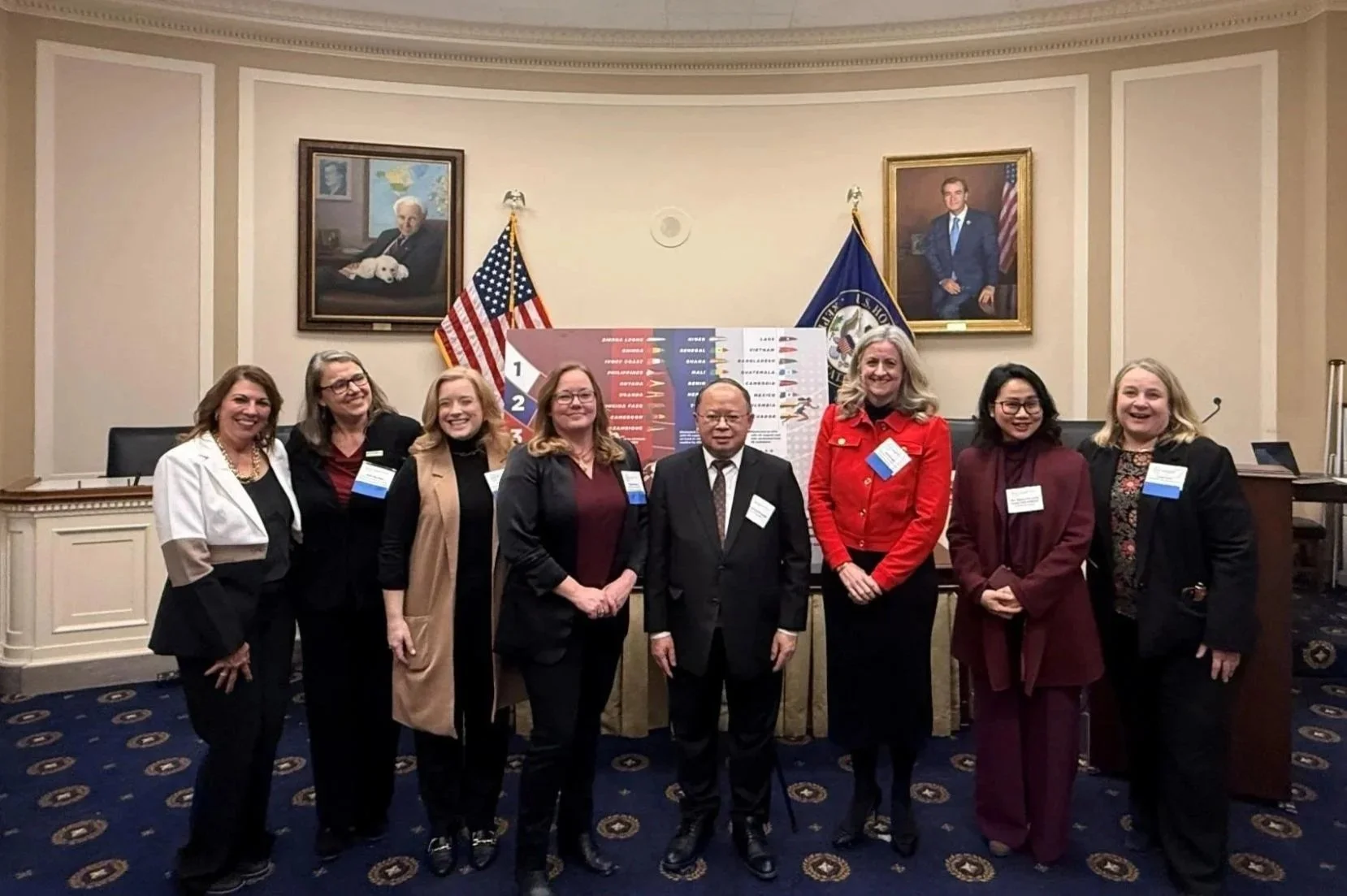
The gathering on Capitol Hill recognized the recent historic elimination of NTDs in Laos, Niger, Senegal, and Vietnam, all with support from the United States, as well as the eight countries that have now fully graduated from U.S. NTD support. The Roundtable was delighted to welcome more than 60 people to the event, including congressional staff, embassy representatives, private sector leaders, faith-based organizations, and partner organizations committed to the fight against NTDs.
Country-led Successes
The reception showcased several recent successes as case studies in effective, short term, high-impact U.S. foreign assistance that advances U.S. interests:
Laos became the 19th country worldwide to eliminate lymphatic filariasis (elephantiasis) as a public health problem—its second major NTD milestone in just six years, following the elimination of trachoma in 2017, also with U.S. support.
Niger became the fifth country worldwide—and the first in Africa—to eliminate onchocerciasis (oncho or river blindness).
Senegal became the 25th country worldwide to eliminate trachoma as a public health problem. Trachoma had persisted in the country for more than a century, and its elimination marks the culmination of Senegal’s decades’-long effort—together with international partners such as the U.S. government—to end the disease once and for all.
Vietnam eliminated trachoma as a public health problem in 2024. The country was also among the first worldwide to receive donated azithromycin from Pfizer. Today 8.3 million people in Vietnam are free from the threat of blindness from trachoma.
These achievements are powerful, tangible, and lasting examples of the combined impact of smart investment by endemic country governments, transformative global health research and development, private sector partnership and innovation, and sustained financial and technical support from global partners, led by the U.S.
Congressional Support
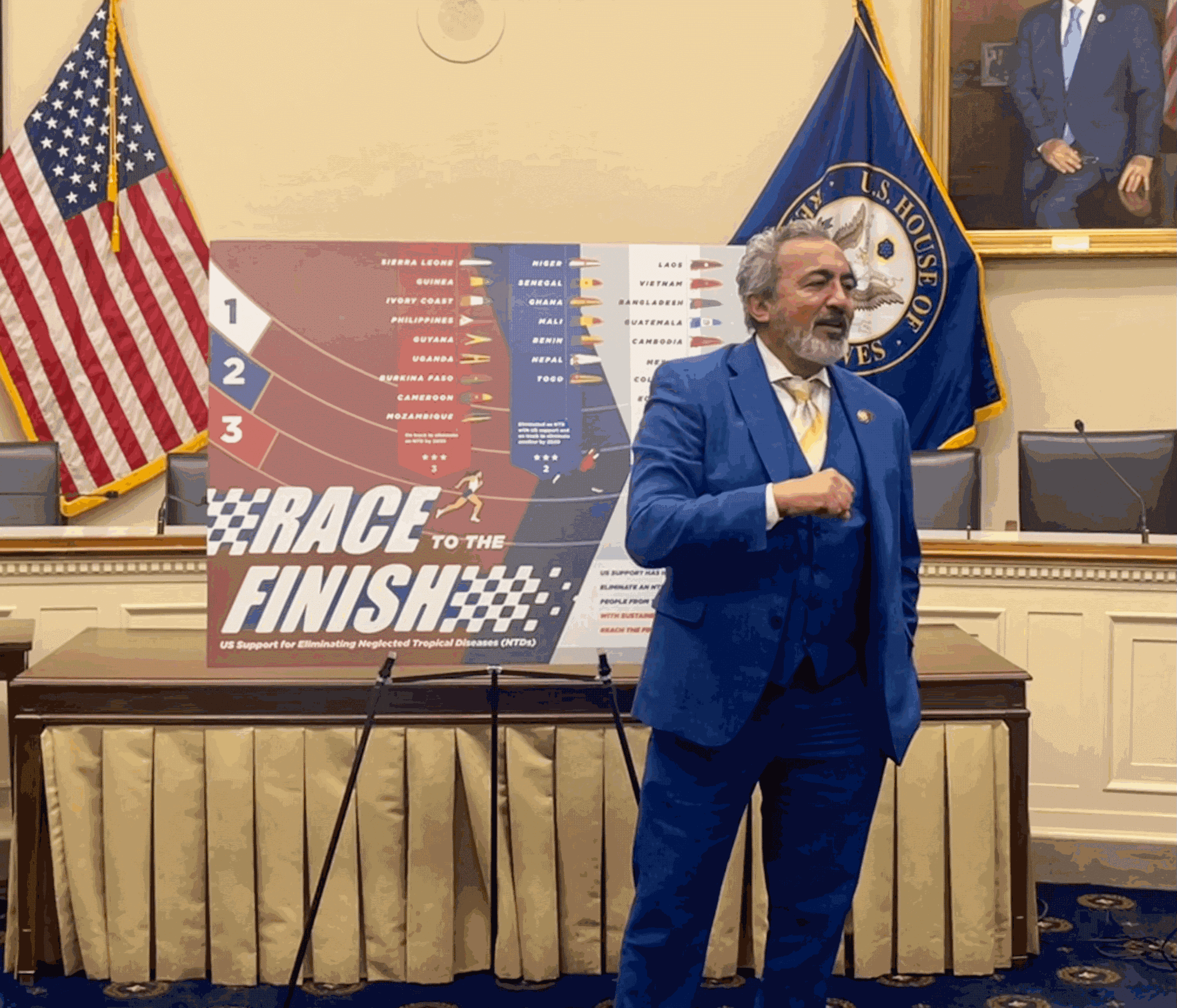
U.S. Representative Ami Bera (D-CA), co-chair of the House Malaria and Neglected Tropical Diseases Caucus (with Representative Chris Smith, R-NJ), kicked off the event, encouraging the global health community to continue their efforts and pledging Congress’ continued support. He said, “This is about those patients and those folks that are impacted and afflicted with these diseases that, if we put our minds to it, we could eliminate!"
Catalytic U.S. Investment
Angela Weaver, Vice President, Neglected Tropical Diseases, Helen Keller Intl., gave a key description of how the U.S. program catalyzes endemic countries’ work, supporting activities carried out by their public health officials and community leaders. She recalled how the program started with big ambitions in 2006 and how its successes—20 years later—have more than exceeded her expectations, building on mounting success to set and achieve ambitious disease elimination goals. Specifically, Angela shared how every dollar invested by the U.S. government leverages $26 in donated pharmaceuticals, with a total of 3.3 billion treatments distributed with support from the U.S. to date. She also noted that countries that have graduated from U.S. support are following a transition plan to self-reliance.
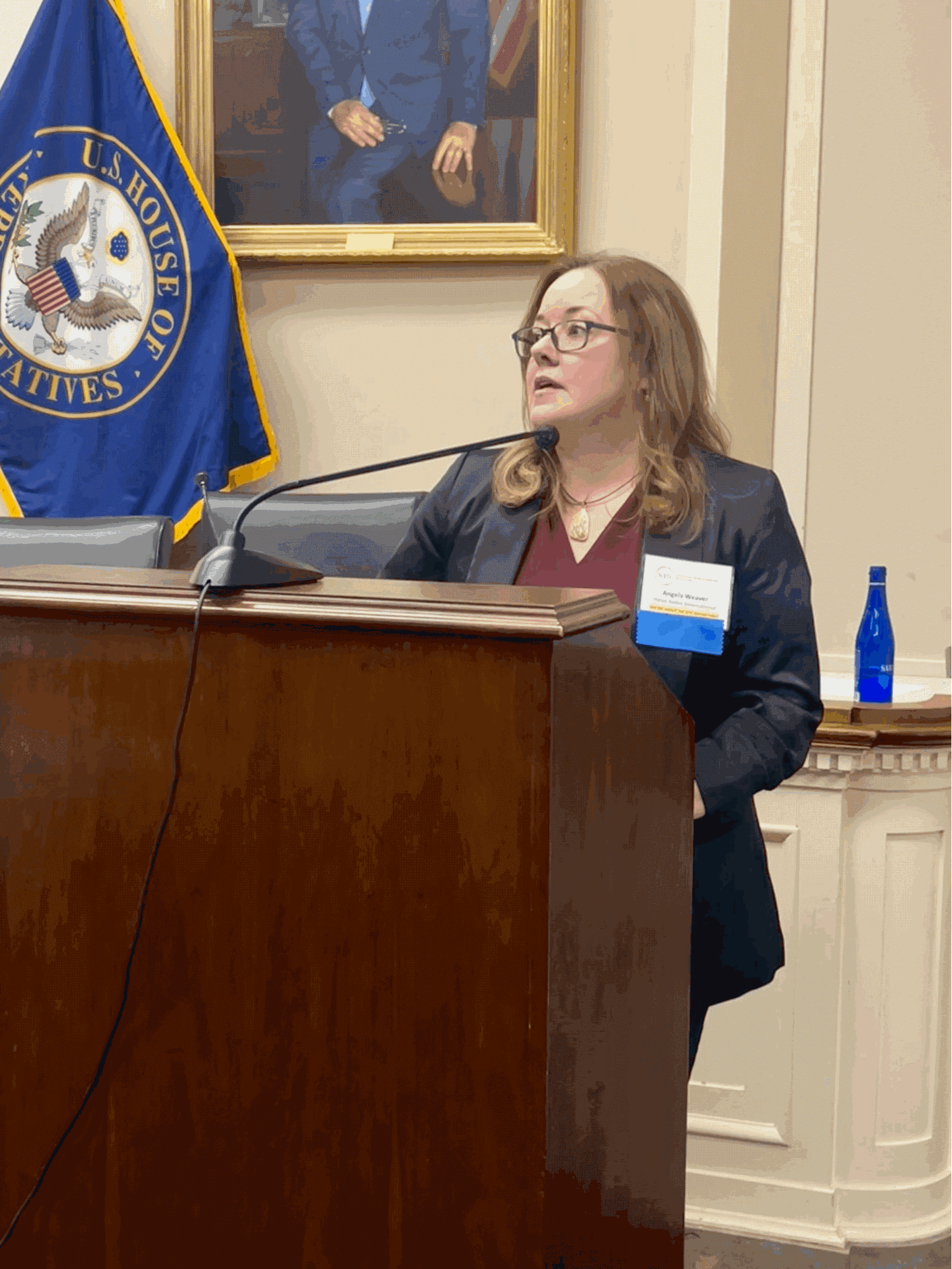
“Eliminating neglected tropical diseases is a smart investment that builds on private sector partnership, transforms the health and wellbeing of communities. We are proud of the achievements of national governments and communities in eliminating neglected tropical diseases, backed by U.S. leadership and commitment. This is a best-buy in foreign assistance and one of the world’s most successful public-private partnerships in global health.”
Key Role of Faith Based Organizations
The event featured a video message from Deborah Fulamuso Mensah, Regional Director for Africa at Hope Rises, a Christian organization that works globally to alleviate the suffering and pain caused by NTDs. Deborah reminded the attendees that “...these diseases are truly ancient, they were around in Biblical times when Christ walked the Earth.” She shared that she was a recipient of medicines for NTDs as a child and expressed the pride she feels knowing that young people in her community no longer need to take the medicines, thanks to the success of elimination efforts.
“We continue to encourage American Leadership to take this fight and finish it, which we know we can do, if we continue to work together for people affected by NTDs.”
Private Sector Commitments
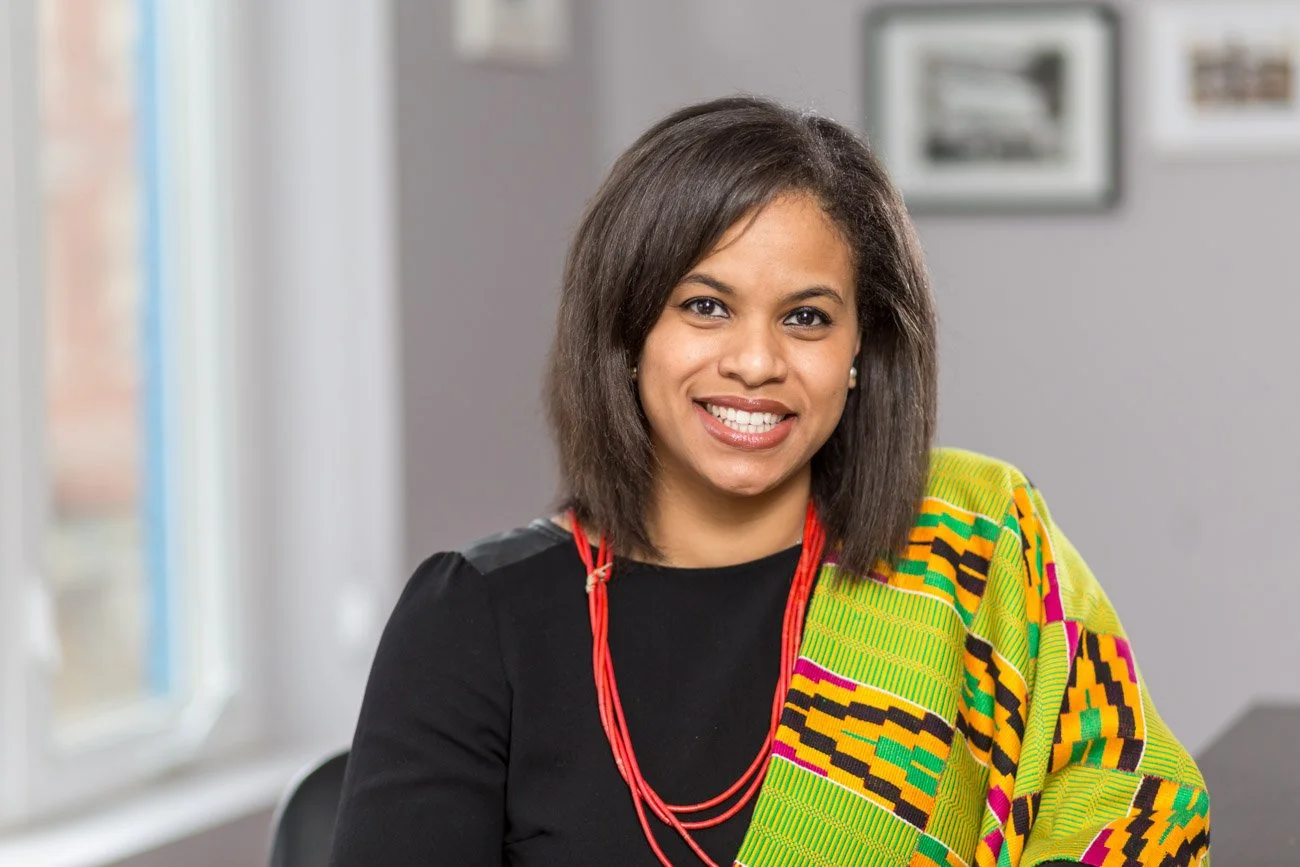
The event featured key speaker Marilyn Mainardi, Head of Global Product Donations, Social Impact & Sustainability, Merck and Co., Inc – Rahway, NJ. USA. Marilyn highlighted the power of public-private partnerships in the fight to eliminate NTDs and talked about how the private sector commitment to NTDs goes back decades. She highlighted the crucial role that these partnerships play to reduce suffering caused by NTDs.
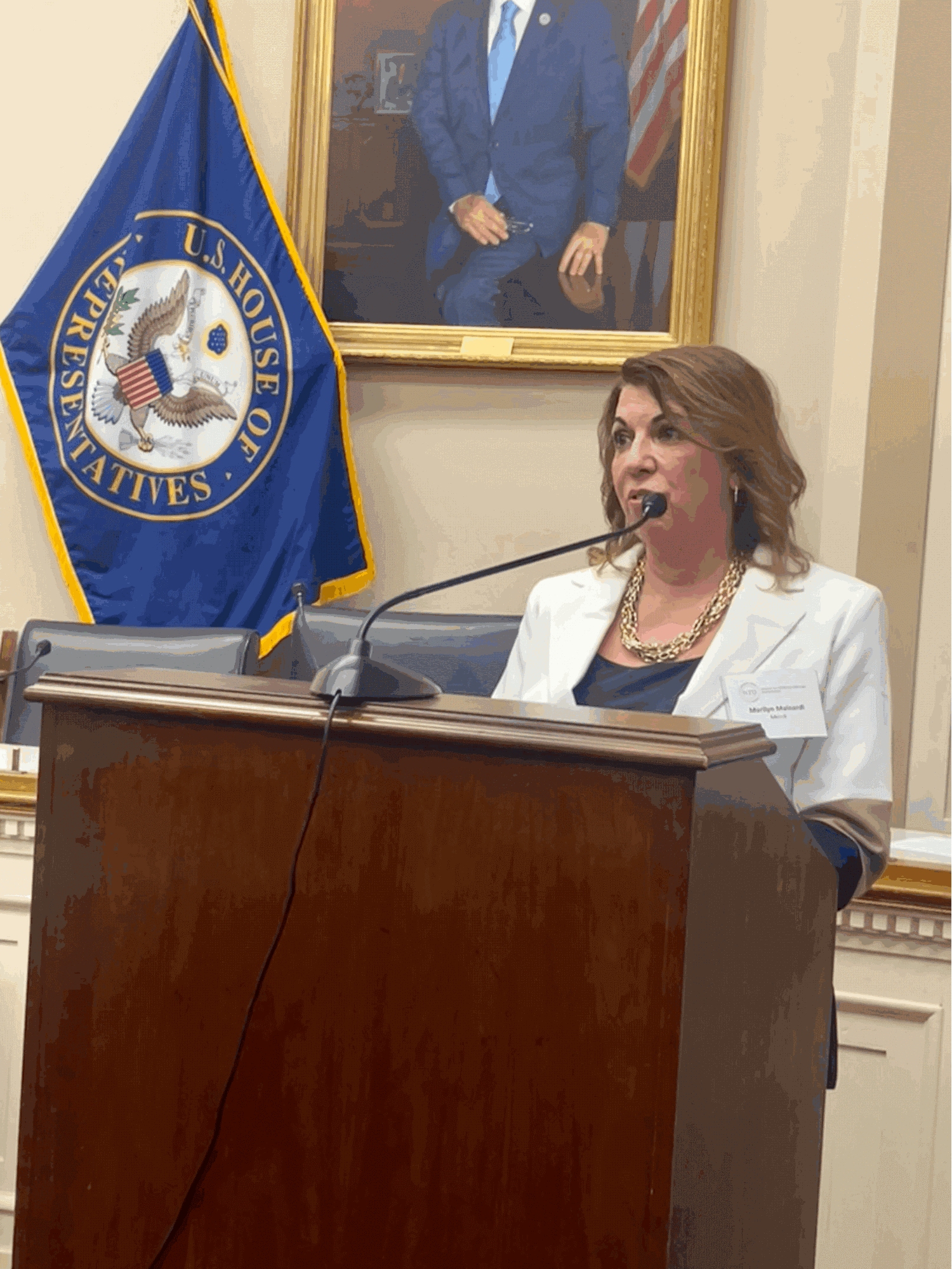
“Merck & Co., Inc. joined the global effort to end the suffering caused by NTDs in 1987, nearly two decades before the establishment of the US government’s NTD program. That year, Dr. Roy Vagelos, the company’s CEO, committed to donate a product called Mectizan “for as much as needed, as long as needed” …We are proud to have been a pioneer and encouraged that our commitment has inspired so many partners to join the fight, because each of us has a unique and essential role to play to ensure everyone in need receives treatment. Delivery of Mectizan and other NTD treatments relies on a global partnership. This includes vital partners like the governments of NTD endemic countries, donor governments like the U.S., the World Health Organization, research institutions, non-governmental organizations, local communities and the private sector. It has been proven that public-private partnerships are essential to success…The partnership and coordination required might be complex, and we remain steadfast in our commitment to donating these life changing treatments…We are grateful for the leadership of Congress, especially the Malaria and Neglected Tropical Diseases Caucus, and look forward to continued partnership.”
A Safer, Stronger and More Prosperous America
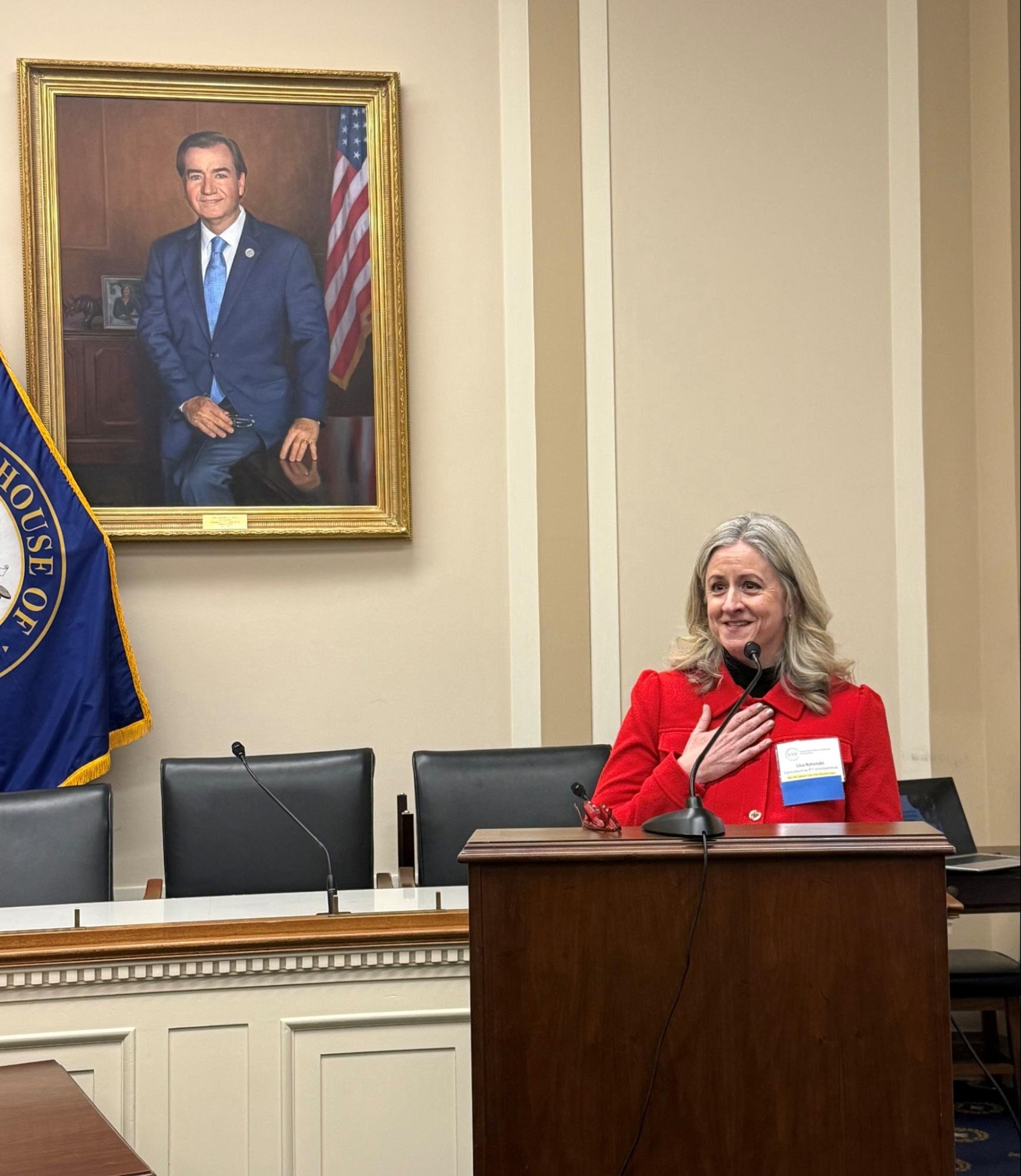
Lisa Rotondo, a global health consultant and NTD expert representing RTI International, highlighted why ongoing U.S. engagement on NTDs is imperative to advancing U.S. public health, scientific leadership, diplomacy, business, and national and global health security interests and aligns with both Congressional and the Administration’s principles outlined in the new Global Health Strategy. Lisa emphasized that eliminating NTDs are relatively easy wins, with 15 countries on track to eliminate an NTD within the next five years, after having benefited from U.S. support. She wants to ensure U.S. contributions to NTD successes are recognized on the world stage.
“NTD programs are among the clearest examples of where U.S. catalytic funding, partner country leadership and co-investment, and measurable results align with Administration and Congressional principles for foreign assistance,” she said.
VIP Attendees
The program concluded by formally congratulating the governments of Laos, Niger, Senegal, and Vietnam on their tremendous public health successes. The Roundtable acknowledged the countries by presenting their elimination letters and recognizing the key VIP attendees: H.E. Phoukhong Sisoulath, Ambassador Extraordinary and Plenipotentiary from the Embassy of Laos PDR to the United States, and Deputy Chief of Mission/Minister Nguyen Thuy Hong from the Embassy of Vietnam to the United States. The embassies of the Republic of Niger and the Republic of Senegal were invited but unfortunately were unable to attend. Additional embassies representatives present included the Republic of Malta, Great Britain, Portugal, Denmark, and Italy.
Overall, the event underscored the crucial role that the U.S. plays in ending NTDs and ensuring health security. Attendees expressed gratitude to the chairs of the House and Senate Malaria and Neglected Tropical Diseases caucuses and all Congressional NTD champions who have ensured continued appropriations for NTDs, including in the just-passed fiscal year 2026 funding bill. The U.S. NTD Roundtable looks forward to working with Congress and the Administration to ensure these resources continue to support the important cause of NTD control and elimination so that together with our country partners, we can reach the finish line.
Thank you to the briefing co-sponsors: American Society of Tropical Medicine & Hygiene, FHI 360, Global Health Strategies, Helen Keller Intl, RTI International, and The Task Force for Global Health.